Table of Contents
- Colorado Home Selling
- Which Areas in Colorado Offer the Best Return on Investment and Are Easiest for Residential Property Development?
- What Home Styles, Sizes, and Features Tend to Sell Fastest in the Colorado Market?
- What Should Home Sellers Know About Zoning Laws, Permits, and Regulatory Requirements in Colorado?
- Which Towns or Cities in Colorado Are the Easiest, and Hardest, When It Comes to Navigating Real Estate Regulations?
- What Are the Most Effective Flipping and Resale Strategies for Maximizing Profit in Colorado's Housing Market?
- How Should Sellers Price Their Homes to Attract Buyers While Maximizing Value in Colorado?
- Which Key Economic, Social, and Regulatory Factors Are Driving Current Trends in Colorado's Local Property Markets?
Colorado Home Selling

With a 5-month supply of homes, Colorado's housing market is relatively balanced, with buyers enjoying additional inventory in Q3 2025. At a median sale price of $616,900, home values remained elevated in the Centennial State. This figure puts Colorado well above the national median ($435,000), and ahead of all seven of its neighboring states (Utah, Arizona, New Mexico, Oklahoma, Kansas, Nebraska, and Wyoming).
Though demand remains high, the seller's market in Colorado continues to loosen its grip in 2025, with homes taking significantly longer to sell than in previous years. As of September 2025, Colorado properties spent a median of 53 days on the market, a 10-day increase compared with the same period in 2024.
Builders, aided by a new private housing authorization rate of around 5.4 permits per 1,000 residents in 2024, continued to add new properties, supporting long-term growth in Colorado. Combined with an increase in the number of listed properties and closed sales (+8.5% year over year), this has helped support the shift toward a more balanced market, and one where buyers may soon have a clear advantage.
With an effective property tax rate of about 0.49%, Colorado's taxes rank among the lowest in the nation, well under the U.S. median of around 0.82% and border states like Nebraska (1.50%) and Kansas (1.30%).
In terms of housing stability, Colorado experienced one foreclosure filing per 1,630 homes in Q3 2025, ranking it near the middle of all states. This rate, which represents a year-over-year increase of more than 50%, suggests that many homeowners in Colorado are having a difficult time keeping up with their payments, showing some signs that wage growth may not be enough to match the high cost of living in the state.
Overall, the combination of strong buyer interest, new construction, and low effective property tax rates, makes Colorado a seller-friendly market and an attractive target for investors.
Which Areas in Colorado Offer the Best Return on Investment and Are Easiest for Residential Property Development?
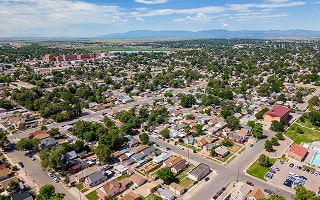
Across Colorado, investors and developers may find strong return on investment (ROI) potential in many local markets. Each area offers a unique mix of buyer demand, regulatory ease, and growth trends. Here are the top ten places to consider:
-
Denver: Median home prices in the city stand at around $550,000, with gross rental yields of about 5.2%, offering investors a solid ROI. In addition, infill development opportunities in Denver may make for profitable investments.
-
Colorado Springs: The recent annual appreciation rate for homes in Colorado Springs is around 3%, while the median property price is up to $480,000. Consistent growth and proximity to military bases such as the U.S. Air Force Academy and Peterson Space Force Base, support steady rents year-round, making it a reliable market for buy-and-hold investors.
-
Pueblo: Pueblo offers one of Colorado's lowest entry points into the state's real estate market, with a median price of roughly $325,000 in September 2025. After several years of double-digit annual appreciation rates, the city's housing market appears to be stabilizing. Average rents in Pueblo have also increased to $1,370, offering landlords stable cash flow.
-
Aurora: Home prices in Aurora have appreciated at a compound annual growth rate of 3%-4% since 2000. The median home price stood at $450,000 in September 2025, a 4.3% decrease from the previous year. Aurora's proximity to Buckley Space Force Base, healthcare centers, outdoor activities, and the arts make it an attractive city for investors, homebuyers, and renters.
-
Boulder (East): Homes in Boulder sell quickly, averaging 30-40 days on the market, with rental yields at about 3%-4%. Boulder's property market is fueled by rental demand from workers in the city's growing tech sector, as well as the more than 38,000 students at the University of Colorado. However, strict design standards and historic review requirements can slow projects.
-
Fort Collins: The market is anchored by Colorado State University student demand for rental properties. The median home price is around $535,000, with average rents of around $2,000. Homes have appreciated at nearly 4% annually, with values up since 2020. Fort Collins enforces zoning overlay rules.
-
Breckenridge: Breckenridge is a tourism-driven market with strong appreciation and high prices. However, short-term rental (STR) caps and fees apply, directly impacting returns on investments. After an influx of remote workers sent average home values skyrocketing to an all-time high of nearly $2.8 million, the market has cooled considerably, with a median sale price of $1.26 million in September 2025.
-
Grand Junction: With median home prices of around $440,000, Grand Junction continues to offer a lower entry point into Colorado real estate, even after enjoying steady appreciation over the past several years.
-
La Junta: One of Colorado's most affordable housing markets, La Junta has a median home price of $149,072. With a strong agricultural base and impressive jobs growth, property prices in the small city have increased significantly since 2020.
-
Longmont: While Longmont is one of the higher buy-in locations in Colorado, home values have risen considerably since 2000. Rental demand remains steady, with average rent at $2,041 monthly.
What Home Styles, Sizes, and Features Tend to Sell Fastest in the Colorado Market?
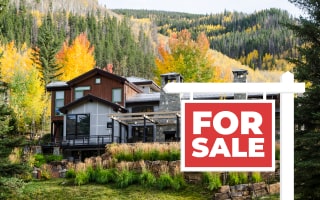
Selling a home in Colorado takes a little longer than on average elsewhere in the country. The median days on market (DOM) for Colorado homes was 53 (as of September 2025), making the state's housing market about 4% slower than the national median. However, within this dynamic market, homes with certain styles, sizes, and features perform better than others. These are the top features buyers look for in Colorado:
-
![]() Bedrooms: Single-family homes with 3-4 bedrooms and 2 bathrooms are top sellers in Colorado, especially in family-friendly suburbs like Highlands Ranch, Parker, and Centennial. These layouts appeal to both traditional families and remote workers seeking home office space. In hot markets like Colorado Springs and Southlands (Aurora), they often sell within a few weeks.
Bedrooms: Single-family homes with 3-4 bedrooms and 2 bathrooms are top sellers in Colorado, especially in family-friendly suburbs like Highlands Ranch, Parker, and Centennial. These layouts appeal to both traditional families and remote workers seeking home office space. In hot markets like Colorado Springs and Southlands (Aurora), they often sell within a few weeks.
-
![]() Size and Lot: Homes sized between 1,500 and 2,500 square feet on 0.25- to 0.50-acre lots are in demand in Front Range suburbs. Buyers typically value property sizes that are ‘just right,' offering adequate space and easier maintenance. These homes generally sell within a few months in areas such as Castle Rock, Broomfield County, and Erie. Smaller lots in walkable areas near transit centers, such as Fort Collins Midtown or Lakewood's Belmar, attract professionals looking for convenience and low upkeep costs. In contrast, larger lots, such as those in Evergreen, are slower to sell due to high insurance costs tied to wildfire risks.
Size and Lot: Homes sized between 1,500 and 2,500 square feet on 0.25- to 0.50-acre lots are in demand in Front Range suburbs. Buyers typically value property sizes that are ‘just right,' offering adequate space and easier maintenance. These homes generally sell within a few months in areas such as Castle Rock, Broomfield County, and Erie. Smaller lots in walkable areas near transit centers, such as Fort Collins Midtown or Lakewood's Belmar, attract professionals looking for convenience and low upkeep costs. In contrast, larger lots, such as those in Evergreen, are slower to sell due to high insurance costs tied to wildfire risks.
-
![]() Style: Architectural style plays a role in home sales speed. Updated Craftsman and mountain contemporary homes in Cherry Hills Village and Greenwood Village sell within a few weeks due to their classic charm and luxury finishes. Renovated Victorians in Old Town Fort Collins and Golden also sell within a few months. Contemporary condos and townhomes near job and transit centers in LoDo, RiNo, and Boulder's Pearl Street Corridor usually sell quickly, typically in under a month. This is largely due to high demand from young professionals.
Style: Architectural style plays a role in home sales speed. Updated Craftsman and mountain contemporary homes in Cherry Hills Village and Greenwood Village sell within a few weeks due to their classic charm and luxury finishes. Renovated Victorians in Old Town Fort Collins and Golden also sell within a few months. Contemporary condos and townhomes near job and transit centers in LoDo, RiNo, and Boulder's Pearl Street Corridor usually sell quickly, typically in under a month. This is largely due to high demand from young professionals.
-
![]() Modern Upgrades: Home upgrades enhance a home's appeal and the speed of sale in Colorado. Open-concept kitchens with smart appliances and stone countertops, as well as bathrooms with walk-in showers, attract top offers, often selling within days. Energy-efficient features, such as solar panels, EV chargers, and heat pumps, are in high demand in places such as Boulder, Douglas, and Eagle counties. In addition, in popular markets, such as Colorado Springs, Fort Collins, and Castle Rock, homes with updated interiors and outdoor features like patios or fire pits sell faster and often fetch higher prices. These features can trim DOM by weeks in competitive submarkets.
Modern Upgrades: Home upgrades enhance a home's appeal and the speed of sale in Colorado. Open-concept kitchens with smart appliances and stone countertops, as well as bathrooms with walk-in showers, attract top offers, often selling within days. Energy-efficient features, such as solar panels, EV chargers, and heat pumps, are in high demand in places such as Boulder, Douglas, and Eagle counties. In addition, in popular markets, such as Colorado Springs, Fort Collins, and Castle Rock, homes with updated interiors and outdoor features like patios or fire pits sell faster and often fetch higher prices. These features can trim DOM by weeks in competitive submarkets.


What Should Home Sellers Know About Zoning Laws, Permits, and Regulatory Requirements in Colorado?

Before selling or renovating a home in Colorado, it may be necessary to get a zoning compliance or verification letter from the local planning department. This letter confirms the property's zoning, allowed uses, and any code violations, helping prevent legal issues or delays during closing. Because zoning, permits, and historic rules vary by municipality, sellers and developers must check local regulations carefully to protect property value, avoid surprises, and maximize ROI. Across Colorado, home sellers and investors should understand real estate regulations, zoning laws, and permit rules that shape the state's local housing markets.
Strict Zoning Laws
Colorado's zoning laws vary by city, significantly impacting how properties may be developed or used. For instance, the Denver Zoning Code includes strict zoning overlay districts and detailed development rules affecting areas like Cherry Creek and the Highlands. These overlays typically manage aspects such as building height, setbacks, land use, and accessory unit regulations, including accessory dwelling units (ADUs). Variances must be approved by the Board of Adjustment for Zoning.
Less Bureaucratic Zoning Laws
Less bureaucratic zoning laws in parts of Colorado make development and property improvement faster and more accessible for homeowners and investors. In unincorporated Weld County, broad zoning categories, such as agricultural and residential, have minimal restrictions. This allows most single-family homes and accessory structures to be approved relatively quickly. Similarly, in Costilla County, although reviews are still required, permits are renewable annually and up to three times in a year without requiring hearings.
Special Permit Required
In some parts of Colorado, certain developments or land use changes require a special permit that must be approved through a public hearing process. This ensures community input and compliance with local planning goals. In Denver, variances, rezonings, and special use permits must be reviewed by the Board of Adjustment, with mandatory public notices and hearings.
Colorado Springs follows a similar process to Denver. Conditional use permits, such as those needed for home-based businesses or accessory buildings, undergo formal review by the Planning Commission. In many cases, they are escalated to the City Council for approval, especially when appeals are deemed significant.
Need for a Certificate of Occupancy
A Certificate of Occupancy (CO) is required before anyone can legally move into a property after a new construction, major remodels, ADU additions, or changes of use. A CO confirms the home meets safety, zoning, and building codes; these forms are typically issued by the local building department after final inspections.
While a property can still be sold and the deed recorded without a CO, most lenders, insurers, and utility providers require the certificate before providing financing, insurance, or utilities. Without it, you may own the property on paper but can't legally occupy it or activate utilities. For investors, this makes the CO a crucial step in closing timelines and cash-flow planning.
Obtaining Approval from a Historic Commission
Homes located in historic districts or designated as landmarks must follow strict renovation rules to preserve the area's heritage. Cities like Denver, Boulder, and Fort Collins have historic commissions that review and approve any changes to a building's exterior, including materials, window styles, or structural updates. Homeowners must submit detailed renovation plans and get approval before starting work. While these rules aim to protect Colorado's historic neighborhoods, they may delay projects or increase renovation costs.
Which Towns or Cities in Colorado Are the Easiest, and Hardest, When It Comes to Navigating Real Estate Regulations?

Home sellers and developers in Colorado must stay compliant with local zoning, permitting, and land-use regulations to avoid legal setbacks, project delays, or costly reversal of unauthorized work. Since regulations can vary widely, it's crucial to understand the specific requirements of each city or county. Below is an overview of several local Colorado markets, from the development-friendly areas to those with more bureaucratic laws.
Development-Friendly Areas
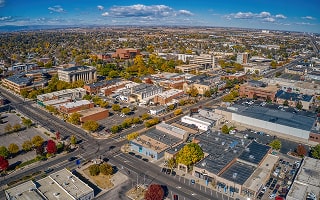
These areas encourage development through fast permitting, flexible zoning, and local governments that support building and investment, making it easier to start projects and sell homes faster:
- Unincorporated Weld County: Weld County's unincorporated areas exempt some small-scale projects from obtaining a building permit. In addition, the county allows ADUs and lot splits with an ADU permit.
- Pueblo County: Pueblo County uses straightforward R-1 and R-2 zoning districts. Permits for single-family homes, ADUs, and lot splits are typically approved quickly without complex reviews or hearings.
- Unincorporated El Paso County: The Pikes Peak Regional Building Department serving unincorporated El Paso County offers an online Start a Project portal for submission of minor small-scale projects, such as ADUs and minor renovations, without an in-person visit.
- City of Greeley: The city provides economic development incentives focused on infill housing and business growth, including tax rebates and permit-related support for qualifying projects.
Moderately Regulated Areas
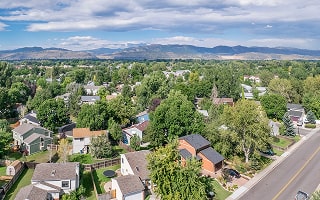
These moderately regulated areas in Colorado have clear zoning processes but may require extra reviews or impose special rules in some districts:
- City of Aurora: Routine projects, like minor renovations, may be approved administratively through the Planning & Zoning Commission without public hearings. However, special-use projects, such as rezonings or conditional-use permits, require public hearings.
- City of Fort Collins: In Old Town and designated historic districts, exterior changes must go through the city's Historic Preservation Commission, which may lengthen the process.
- City of Arvada: The city's Land Development Code requires a pre-application conference before formal submission of development projects.
- City of Lakewood: Lakewood requires an ADU application to undergo a process called Staff Design Review, which typically takes up to 60 days, adding to the project timeline.
Highly Restrictive or Bureaucratic Areas
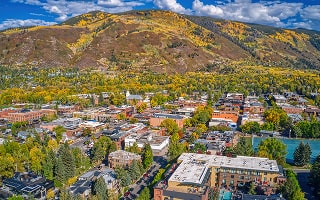
These areas have strict rules, often experience community pushback, and may include multiple lengthy approval steps due to historic, environmental, or special overlay regulations:
- City of Boulder: Any property that's designated a landmark or located in a designated historic district must receive approval through a Landmark Alteration Certificate before any exterior modifications.
- City of Aspen: The city historically enforced a land-use policy known as the Growth Management Quota System (GMQS), which caps the number of new housing and lodging units permitted each year. Though the law still limits commercial and lodging quotas, the cap on new homes was invalidated in 2023.
- Town of Vail: All new development or alterations, including affordable housing proposals, are subject to repeated public hearings, usually involving the Design Review Board.
- City of Telluride: All exterior work on properties located in historic districts requires Historic and Architectural Review Commission (HARC) approval.
Regulatory Climate Factors

Colorado's real estate rules vary significantly by location, affecting how easy it is to build, remodel, or sell a home. Based on Colorado's regulatory landscape, the overview below includes important regulatory factors and the areas where they have the highest impact on development:
Factor |
Impact on Development |
Where It's Found |
|---|---|---|
Zoning Flexibility |
Determines ease of land use |
Weld County (unincorporated), Denver, Longmont, Pueblo County (outside city limits), El Paso County, and Greeley |
Historic Preservation Laws |
Adds restrictions |
Boulder City (Mapleton Hill), Golden, Denver Landmark Districts (Lower Downtown, Wyman, and Alamo Placita), Fort Collins Old Town, and Aspen |
Wetlands/Conservation |
Limits buildable land |
City of Boulder (floodplains), Cherry Creek floodway, Eagle County wetland areas, and Larimer County |
Inclusionary Zoning |
Requires affordable units |
Aspen, Boulder, and Denver |
Building Code Enforcement |
Affects cost/speed |
Denver, Colorado Springs, Fort Collins, Boulder, and Mineral County |
Local Politics/NIMBYism* |
Blocks or delays projects |
Aspen, Golden, Jefferson County, Boulder, Telluride, Cherry Hills Village, and Breckenridge |
*NIMBYism - Not in My Backyard
What Are the Most Effective Flipping and Resale Strategies for Maximizing Profit in Colorado's Housing Market?

In Colorado's competitive and expensive housing markets, where the median home price is above $600,000 and homes sell quickly in popular suburbs, flippers need smart strategies to sell their properties faster while protecting their profit. Here are the top tactics that may work well in Colorado's housing markets:
-
![]()
Target Distressed or Foreclosed Homes: Targeting distressed or foreclosed properties is an effective flipping strategy in Colorado, especially in areas like El Paso, Pueblo, Lakewood, and Aurora, where foreclosure rates are higher. Foreclosed or distressed homes often sell below fair market value, providing flippers with more room for profit.
-
![]()
Follow the 70% Rule: The 70% rule is a simple, essential strategy for flippers in Colorado's high-cost markets, such as Denver, Fort Collins, Colorado Springs, and Boulder. This rule dictates that your maximum offer should be no more than 70% of the after-repair value (ARV) minus estimated repair costs. The formula builds in a 30% cushion for profit, unexpected expenses, and market shifts.
-
![]()
Wholetail for Speed: Wholetailing for speed involves making light cosmetic upgrades, such as new paint, basic landscaping, or staging, then relisting the property for sale immediately, avoiding major renovation costs. This strategy is ideal in areas where homes sell fast, such as neighborhoods near highly-rated school districts in Fort Collins, military installations in Colorado Springs, and transit centers in Greeley.
-
![]()
Use the Buy, Rehab, Rent, Refinance, Repeat (BRRRR) Method: The BRRRR method is ideal for areas in Colorado with steady rental demand and strong appreciation, such as Boulder, Fort Collins, Loveland, Longmont, and Castle Rock. After renovating the property, investors rent it out, refinance based on the improved value, and use the cash from to invest in the next property.
-
![]()
Go Beyond Cosmetic Work (Value-Add Flipping): Value-add conversions, such as building legal ADUs or expanding existing floor plans, may significantly boost a property's value in many Colorado markets. Areas such as Boulder, Fort Collins, and Colorado Springs allow for flexible housing configurations. Outside the city, suburban zones in Arapahoe and Jefferson counties support ADU conversions with few restrictions.
-
![]()
Buy at Auction and Off Market: Rural and semirural counties, such as Weld, Larimer, and Fremont, hold regular sheriff sales where investors can purchase foreclosed properties below market value. In urban areas like Denver, Aurora, and Pueblo, local wholesalers and real estate agents usually share off-market listings not yet publicly available.


How Should Sellers Price Their Homes to Attract Buyers While Maximizing Value in Colorado?

When it comes to pricing your Colorado home to obtain top dollar, the most crucial step is to partner with a local real estate agent or licensed appraiser. Your agent or appraiser can run a 90-day Comparative Market Analysis (CMA) that compares your home to similar properties that are either active, pending, or recently sold in your neighborhood. This analysis helps you find the ideal price range and select the strategy that best fits your market and property type. Below are some of the most common pricing strategies and the Colorado real estate markets where each tends to be most effective:
-
![]() Pricing Just Below Below Market Thresholds: This strategy lists your property below its threshold, $599,900 instead of $600,000, to help boost the property's visibility in online searches. Pricing just below market thresholds is effective in competitive suburbs such as Highlands Ranch, Centennial, Castle Rock, and Aurora, where quick sales are common. Pricing below the threshold can increase buyer interest and generate more showings.
Pricing Just Below Below Market Thresholds: This strategy lists your property below its threshold, $599,900 instead of $600,000, to help boost the property's visibility in online searches. Pricing just below market thresholds is effective in competitive suburbs such as Highlands Ranch, Centennial, Castle Rock, and Aurora, where quick sales are common. Pricing below the threshold can increase buyer interest and generate more showings.
-
![]() Charm Pricing (Psychological Pricing): Charm pricing consists of using prices ending in "7" or "9", like $449,999 instead of $450,000. This creates a perception of a better deal and attracts more budget-conscious buyers. This psychological pricing strategy works in mid-tier and affordable markets, such as Colorado Springs, Pueblo, and Greeley, where buyers are price-sensitive.
Charm Pricing (Psychological Pricing): Charm pricing consists of using prices ending in "7" or "9", like $449,999 instead of $450,000. This creates a perception of a better deal and attracts more budget-conscious buyers. This psychological pricing strategy works in mid-tier and affordable markets, such as Colorado Springs, Pueblo, and Greeley, where buyers are price-sensitive.
-
![]() Pricing to Create a Bidding War: Listing your home just below the market value may trigger a bidding war. Pricing your home at $849,000 in an area where similar homes go for $875,000 creates urgency and can draw more interest and offers. This strategy is effective in highly-rated school districts, such as Cherry Hills Village, Greenwood Village, Boulder's Mapleton Hill, and Superior.
Pricing to Create a Bidding War: Listing your home just below the market value may trigger a bidding war. Pricing your home at $849,000 in an area where similar homes go for $875,000 creates urgency and can draw more interest and offers. This strategy is effective in highly-rated school districts, such as Cherry Hills Village, Greenwood Village, Boulder's Mapleton Hill, and Superior.
-
![]() High-Anchor Pricing (Test the Waters): High-anchor pricing means listing your home at the upper end of the comparable sales range, like $750,000 in a neighborhood where homes typically sell for $650,000 to $750,000. The idea is to "test the waters" before reducing the price, if needed. This approach works in luxury markets where buyers expect high-end finishes, views, or exclusive features. Some Colorado real estate markets where this strategy might be most effective include Aspen, Vail, Telluride, Cherry Creek in Denver, and Castle Pines Village in Douglas County, where buyer demand is strong and inventory is limited.
High-Anchor Pricing (Test the Waters): High-anchor pricing means listing your home at the upper end of the comparable sales range, like $750,000 in a neighborhood where homes typically sell for $650,000 to $750,000. The idea is to "test the waters" before reducing the price, if needed. This approach works in luxury markets where buyers expect high-end finishes, views, or exclusive features. Some Colorado real estate markets where this strategy might be most effective include Aspen, Vail, Telluride, Cherry Creek in Denver, and Castle Pines Village in Douglas County, where buyer demand is strong and inventory is limited.
-
![]() Price-Per-Square-Foot Benchmarking: Price-per-square-foot benchmarking works by matching the price of your property to the average cost per square foot in your neighborhood. This strategy is ideal in areas with uniform home styles and layouts. In Colorado, it's effective in subdivisions like Stonegate, Vista Ridge, and Thornton. It's also common in condo-dense areas such as LoDo, Capitol Hill, and Downtown Denver.
Price-Per-Square-Foot Benchmarking: Price-per-square-foot benchmarking works by matching the price of your property to the average cost per square foot in your neighborhood. This strategy is ideal in areas with uniform home styles and layouts. In Colorado, it's effective in subdivisions like Stonegate, Vista Ridge, and Thornton. It's also common in condo-dense areas such as LoDo, Capitol Hill, and Downtown Denver.
-
![]() Appraisal-Backed Pricing: Appraisal-backed pricing means setting your price close to the home's likely appraised value to avoid financing issues and failed deals. Appraisal-backed pricing is especially effective in areas where buyers rely heavily on FHA or VA loans, such as Westminster, Northglenn, and Central Park (Denver/Aurora), where appraisals must align with the contract price for the buyer to secure financing.
Appraisal-Backed Pricing: Appraisal-backed pricing means setting your price close to the home's likely appraised value to avoid financing issues and failed deals. Appraisal-backed pricing is especially effective in areas where buyers rely heavily on FHA or VA loans, such as Westminster, Northglenn, and Central Park (Denver/Aurora), where appraisals must align with the contract price for the buyer to secure financing.
-
![]() Net-to-Seller Pricing: With net-to-seller pricing, start with the amount you want to walk away with (your net proceeds), then add estimated costs, such as agent commissions, closing fees, and transfer taxes, to set your list price. Net-to-seller pricing is ideal in higher-tax areas, such as Jefferson, El Paso, and Summit counties, where expenses associated with selling a home may significantly reduce the net proceeds after sale.
Net-to-Seller Pricing: With net-to-seller pricing, start with the amount you want to walk away with (your net proceeds), then add estimated costs, such as agent commissions, closing fees, and transfer taxes, to set your list price. Net-to-seller pricing is ideal in higher-tax areas, such as Jefferson, El Paso, and Summit counties, where expenses associated with selling a home may significantly reduce the net proceeds after sale.
-
![]() Urgency Pricing (Motivated Seller Strategy): Urgency pricing involves listing your home at a slight discount, usually up to 8% below market value, to create instant buyer interest and drive sales. This tactic is effective in commuter-friendly towns like Loveland, Littleton, Evergreen, and Longmont, where working professionals are ready to act fast. Urgency pricing also comes in handy in certain situations, including estate sales, divorces, or relocation, where quick sales matter more than getting top dollar for the property.
Urgency Pricing (Motivated Seller Strategy): Urgency pricing involves listing your home at a slight discount, usually up to 8% below market value, to create instant buyer interest and drive sales. This tactic is effective in commuter-friendly towns like Loveland, Littleton, Evergreen, and Longmont, where working professionals are ready to act fast. Urgency pricing also comes in handy in certain situations, including estate sales, divorces, or relocation, where quick sales matter more than getting top dollar for the property.


To maximize your sale price and minimize the time your property stays on the market, match your pricing tactics to reflect both your home's profile and the local market climate. After running your 90-day CMA, you can align your strategy to fit local market conditions:
Market Condition |
Best Strategy |
|---|---|
Seller's Market |
Underpricing for a bidding war |
Buyer's Market |
Charm pricing or net-to-seller |
Unique, luxury home |
High-anchor + value justification |
Entry-level home |
Just below threshold |
Urgent sale needed |
Aggressive urgency pricing |
Flipper or investor listing |
Appraisal-backed or price-per-square-foot |
Which Key Economic, Social, and Regulatory Factors Are Driving Current Trends in Colorado's Local Property Markets?

The real estate market in Colorado is driven by strong economic growth, changing population trends, and varying local rules. From Denver's fast-paced urban core to resort towns like Aspen and Vail, each area forms its distinct micro-markets. Job growth, rising wages, and continued in-migration fuel demand, while zoning laws and building regulations affect supply. These combined forces create unique challenges and opportunities for buyers, sellers, and investors across the state. Listed below is a detailed analysis of these factors:
![]() Economic Factors
Economic Factors
 Economic Factors
Colorado's economy is fueling housing demand across the state. The state's unemployment rate stood at about 4.5% in July 2025, with sectors such as tech in Denver and aerospace in Colorado Springs attracting high-income professionals. This rise in employment and wages is pushing more buyers into the property market, especially in urban and suburban areas.
At the same time, the cost of living in Colorado is high. The Denver-Aurora-Lakewood area saw inflation rise by 2.1% in 2025, but home values are growing even faster, making real estate a valuable investment. Construction activity is also strong. Colorado issued 12 building permits per 1,000 existing homes, ranking it among the highest in the country. The building boom, especially in growing suburbs such as Aurora and Thornton, is helping ease supply pressures and moderate price increases.
![]() Demographic and Social Factors
Demographic and Social Factors
 Demographic and Social Factors
The state's population is growing fast, especially in the Denver area, with a 2.8% increase between 2020 and 2024. This steady population growth has fueled demand for both urban condos and suburban homes, especially in places like Aurora, Littleton, and Parker.
With a median age of 37.9, Colorado's young population continues to drive demand for starter homes and family-friendly neighborhoods. Cities with top-rated schools, parks, and low crime rates, such as Highlands Ranch and Fort Collins, are popular among younger families.
Lifestyle also matters. Many buyers want walkable neighborhoods with easy access to shops, restaurants, and offices. This trend is driving up home prices in Denver's LoDo District and Boulder's Pearl Street area, where convenience and amenities are a priority for buyers and renters.
![]() Regulatory and Legal Framework
Regulatory and Legal Framework
 Regulatory and Legal Framework
Real estate rules vary by municipality, and these local policies affect how quickly and affordably housing gets built or renovated in Colorado. While there is no statewide rent control, some cities have rules to boost affordable housing. For example, the Denver Inclusionary Housing Ordinance requires developers to include lower-cost units or pay a fee. In Boulder, through its Regional Affordable Homeownership Program, eligible first-time buyers have the opportunity to purchase homes at below-market prices (with certain conditions, like appreciation caps and resale price maximums).
Zoning codes can also impact development. In areas like Cherry Creek and Old Town Fort Collins, stricter building and design rules slow down approvals and raise costs for builders.
![]() Taxation and Fiscal Policy
Taxation and Fiscal Policy
 Taxation and Fiscal Policy
Colorado's tax policies help make property acquisition attractive to both homeowners and investors. The state uses a flat income tax of 4% (as of January 2025), which applies equally to wages and capital gains. This benefits high-income earners and property investors looking for better returns.
Property taxes are relatively low compared to many other states. Colorado's average property tax rate is 0.49%, helping lower the overall annual cost of owning a home. There's also no statewide real estate transfer tax, so buyers and sellers save money when property changes hands. Altogether, the tax environment supports affordability and long-term investment potential.
![]() Housing Policy and Government Programs
Housing Policy and Government Programs
 Housing Policy and Government Programs
The state supports housing access through several government-backed programs. The Colorado Housing and Finance Authority (CHFA) assists first-time buyers with down payments and tax credits, especially in more affordable markets like Pueblo and Greeley. The program aims to lower the upfront cost of buying a home.
In larger cities like Denver and Boulder, inclusionary zoning policies encourage developers to build affordable housing. In return, they may receive density bonuses or faster approvals. These efforts aim to expand the housing supply while keeping homes accessible to a broader range of buyers across income levels.
![]() Infrastructure and Development Trends
Infrastructure and Development Trends
 Infrastructure and Development Trends
The expansion of RTD's light rail lines into cities like Aurora and Lakewood has boosted interest in transit-oriented developments. The areas near stations now attract mixed-use projects with shops, housing, and offices, all within walkable neighborhoods that appeal to commuters.
In the mountains, resort towns like Breckenridge and Dillon, both in Summit County, continue to see high demand for condos and vacation villas. These properties are popular as short-term rentals and second homes, keeping prices high in tourism-driven areas.
![]() Market Sentiment and Investor Behavior
Market Sentiment and Investor Behavior
 Market Sentiment and Investor Behavior
Investor confidence in Colorado remains strong due to steady home price growth, employment opportunities, rental demand, and moderate foreclosure rates. Home values are expected to continue rising in the coming years, especially in high-demand areas such as Denver, Broomfield, and Castle Rock. These trends attract both local and out-of-state investors looking for long-term value.
Colorado's housing market is strong, fast-moving, and full of opportunity, driven by strong demand, steady job growth, and low property taxes. Home prices in some cities are high, yet homes often sell quickly thanks to in-migration trends from other states and a thriving economy. Builders also remain active, helping ease the housing shortage, while foreclosures remain moderate, showing market stability. For a successful Colorado real estate investment, buyers and developers must understand local zoning laws, historic rules, and affordable housing laws. In addition, sellers who align their strategy with the unique market trends will get the best results in Colorado's diverse real estate market.
Table of Contents
- Colorado Home Selling
- Which Areas in Colorado Offer the Best Return on Investment and Are Easiest for Residential Property Development?
- What Home Styles, Sizes, and Features Tend to Sell Fastest in the Colorado Market?
- What Should Home Sellers Know About Zoning Laws, Permits, and Regulatory Requirements in Colorado?
- Which Towns or Cities in Colorado Are the Easiest, and Hardest, When It Comes to Navigating Real Estate Regulations?
- What Are the Most Effective Flipping and Resale Strategies for Maximizing Profit in Colorado's Housing Market?
- How Should Sellers Price Their Homes to Attract Buyers While Maximizing Value in Colorado?
- Which Key Economic, Social, and Regulatory Factors Are Driving Current Trends in Colorado's Local Property Markets?